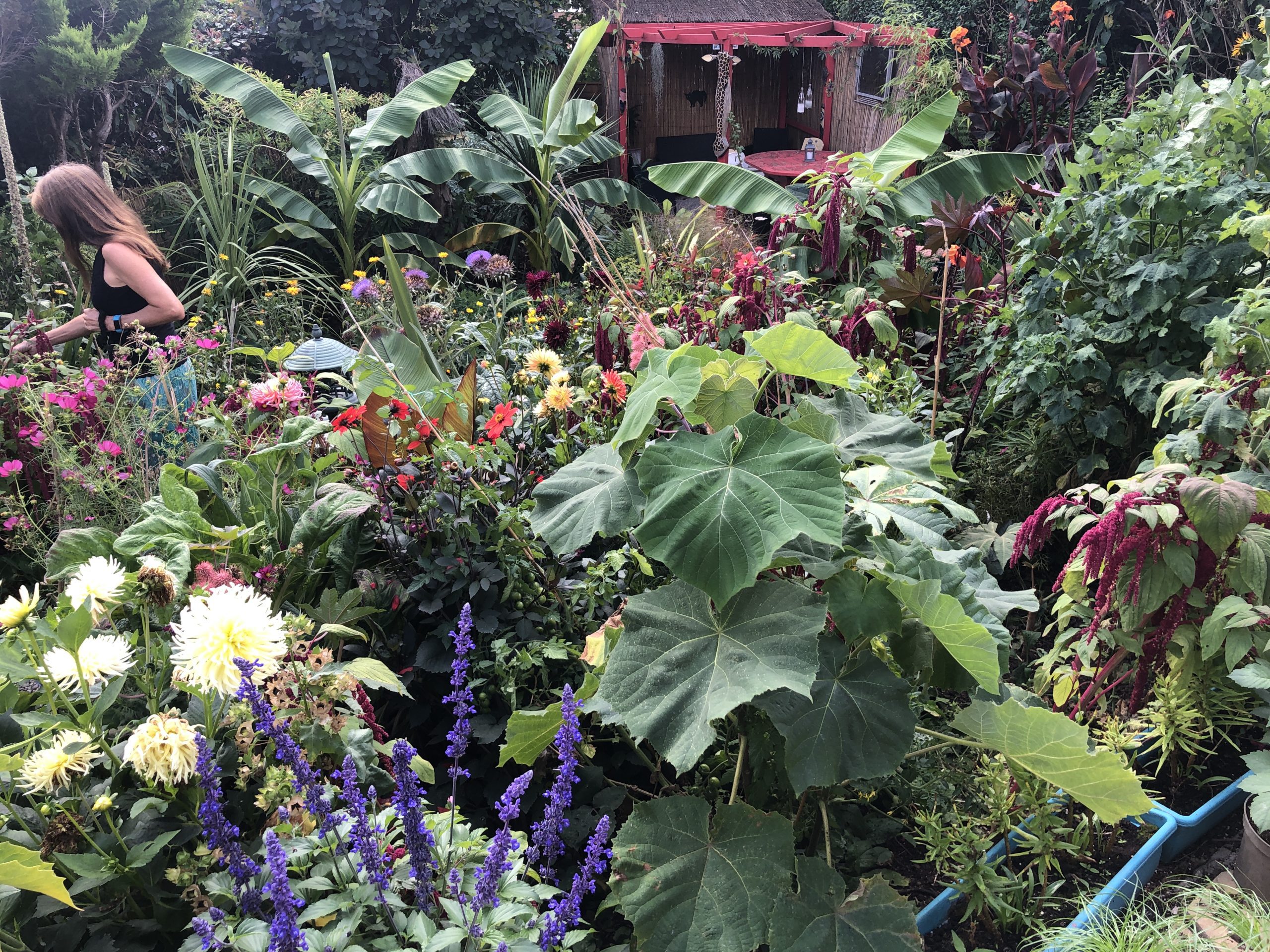
What is a Tropical Garden?
A tropical garden is a lush, vibrant space filled with exotic plants typically found in tropical and subtropical regions. These gardens are characterized by their dense foliage, bold and colorful flowers, large leaves, and an overall sense of lushness and abundance. Key elements often include banana plants, palms, ferns, orchids, bromeliads, and a variety of flowering shrubs. Tropical gardens create a sense of a verdant paradise, often incorporating elements such as water features, rich, fertile soil, and high humidity. But, can a Tropical garden be grown in the UK?
Growing a Tropical Garden in the UK: Is it Possible?
The UK, known for its temperate climate, presents unique challenges for gardeners aspiring to create a tropical garden. However, with careful planning, the right plant selections, and some creative techniques, it is indeed possible to cultivate a tropical oasis even in the UK.
Selecting Hardy Tropical Plants
To begin with, selecting the right plants is crucial. Opt for species known for their hardiness and ability to withstand cooler temperatures. Some excellent choices include:
- Banana plants (Musa basjoo): Known for their resilience, these plants can survive UK winters with proper protection.
- Hardy palms (Trachycarpus fortunei): These palms are both visually striking and cold-tolerant.
- Fatsia japonica: This evergreen shrub has large, exotic leaves that add a tropical flair.
- Canna lilies: These plants offer vibrant flowers and lush foliage.
- Cordyline australis: Resembling palms, they add structure and height to the garden.
Creating a Microclimate
Creating a favorable microclimate is essential. This involves selecting a sunny, sheltered spot in your garden where plants are protected from harsh winds and extreme cold. Walls and fences can provide necessary shelter and help retain heat. Enhancing soil quality by enriching it with organic matter will improve drainage and fertility, providing an ideal environment for tropical plants.
Winter Protection
Winter in the UK can be harsh, so protecting your tropical plants during colder months is vital. Strategies include:
- Mulching: Applying a thick layer of mulch to insulate roots from frost.
- Frost covers: Using fleece or burlap to cover plants during frosty nights.
- Potted plants: Growing delicate tropical plants in pots allows you to move them indoors or to a greenhouse during winter.
Utilizing Greenhouses and Conservatories
For plants that are particularly sensitive to cold, greenhouses or conservatories can simulate the warm, humid conditions of the tropics. These controlled environments are ideal for growing a wider variety of tropical plants year-round. Tender plants that can thrive in a greenhouse over winter include:
- Orchids: Delicate and requiring consistent warmth and humidity, orchids can flourish in a greenhouse.
- Bromeliads: With their striking flowers and foliage, they benefit from the controlled environment of a greenhouse.
- Heliconia: Known for their vibrant bracts, heliconias need the warmth and humidity a greenhouse provides.
- Bird of Paradise (Strelitzia reginae): These exotic flowers can be kept safe from frost in a greenhouse.
- Tropical ferns: Varieties like the Boston fern and bird’s nest fern thrive in the humid conditions of a greenhouse.
- Anthurium: With its colorful spathes, anthurium requires the stable temperatures of a greenhouse.
- Ginger plants (Zingiberaceae): These can be overwintered in greenhouses to protect them from the cold.
Watering and Humidity
Tropical plants thrive in consistently moist soil and high humidity. Regular watering, especially during dry spells, is essential. Increasing humidity can be achieved by misting plants or placing trays of water nearby.
Fertilization and Maintenance
To promote lush growth and vibrant blooms, feed your tropical plants with a balanced, slow-release fertilizer during the growing season. Regular pruning and maintenance will keep plants healthy and prevent diseases.
Expectations and Rewards
While growing a tropical garden in the UK requires effort and dedication, the rewards are well worth it. Expect to see a lush, green sanctuary filled with exotic foliage and vibrant blooms. Your garden can become a tranquil retreat, reminiscent of faraway tropical paradises. It’s a space that can offer both aesthetic pleasure and a unique sense of accomplishment.
Conclusion
Yes, a tropical garden can be grown in the UK. By selecting hardy plants, creating a supportive microclimate, and taking steps to protect and nurture your plants, you can transform your garden into a tropical haven. Utilizing greenhouses or conservatories for tender plants ensures a year-round tropical display. It requires creativity, dedication, and a bit of experimentation, but the result is a stunning, exotic escape right in your backyard.