
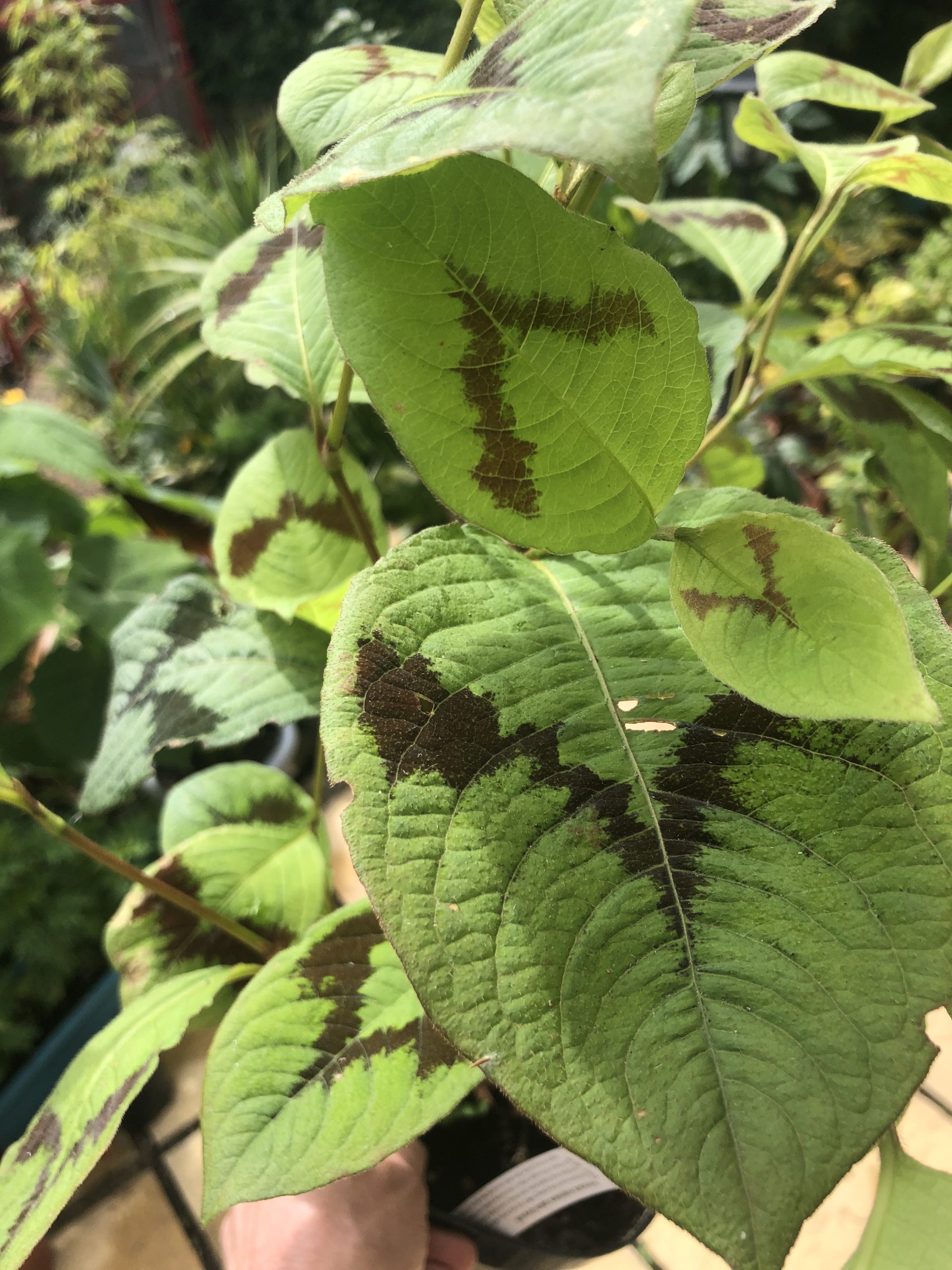
To grow Persicaria virginiana ‘Lance Corporal’ in the UK, follow these steps:
- Choose the Right Location: Select a planting spot that receives partial to full sun. Persicaria virginiana ‘Lance Corporal’ can tolerate some shade, but it generally performs best in areas with more sunlight. Ensure the soil is well-draining and avoid waterlogged areas.
- Planting Time: The best time to plant ‘Lance Corporal’ is in spring or early autumn. Avoid planting during frosty periods, as the young plant can be susceptible to frost damage.
- Soil Preparation: Prepare the planting area by digging the soil and incorporating some organic matter like compost. This helps improve soil fertility, drainage, and moisture retention.
- Planting: Dig a hole that is about the same depth as the nursery container or root ball and slightly wider. Place the plant in the hole and backfill with soil, gently firming it down as you go. Water thoroughly after planting.
- Watering: Keep the soil consistently moist, especially during the first growing season. In the UK, the climate can be relatively rainy, but during dry spells, make sure to water the plant adequately.
- Mulching: Apply a layer of organic mulch around the base of the plant. Mulching helps retain soil moisture, suppresses weed growth, and maintains a more even soil temperature.
- Fertilizing: Persicaria virginiana ‘Lance Corporal’ is not a heavy feeder, but if your soil is poor, you can apply a balanced, slow-release fertilizer in the spring to support healthy growth.
- Pruning: Minimal pruning is generally required for this plant. Remove any dead or damaged stems as needed to keep the plant looking tidy.
- Winter Care: In the UK, the plant is generally hardy, but if you experience particularly harsh winters, you can apply a layer of mulch around the base of the plant in late autumn to protect the roots from freezing temperatures.
- Pest and Disease Management: Persicaria virginiana ‘Lance Corporal’ is relatively resistant to pests and diseases. However, it’s always a good idea to keep an eye out for any issues and take appropriate action if necessary.