
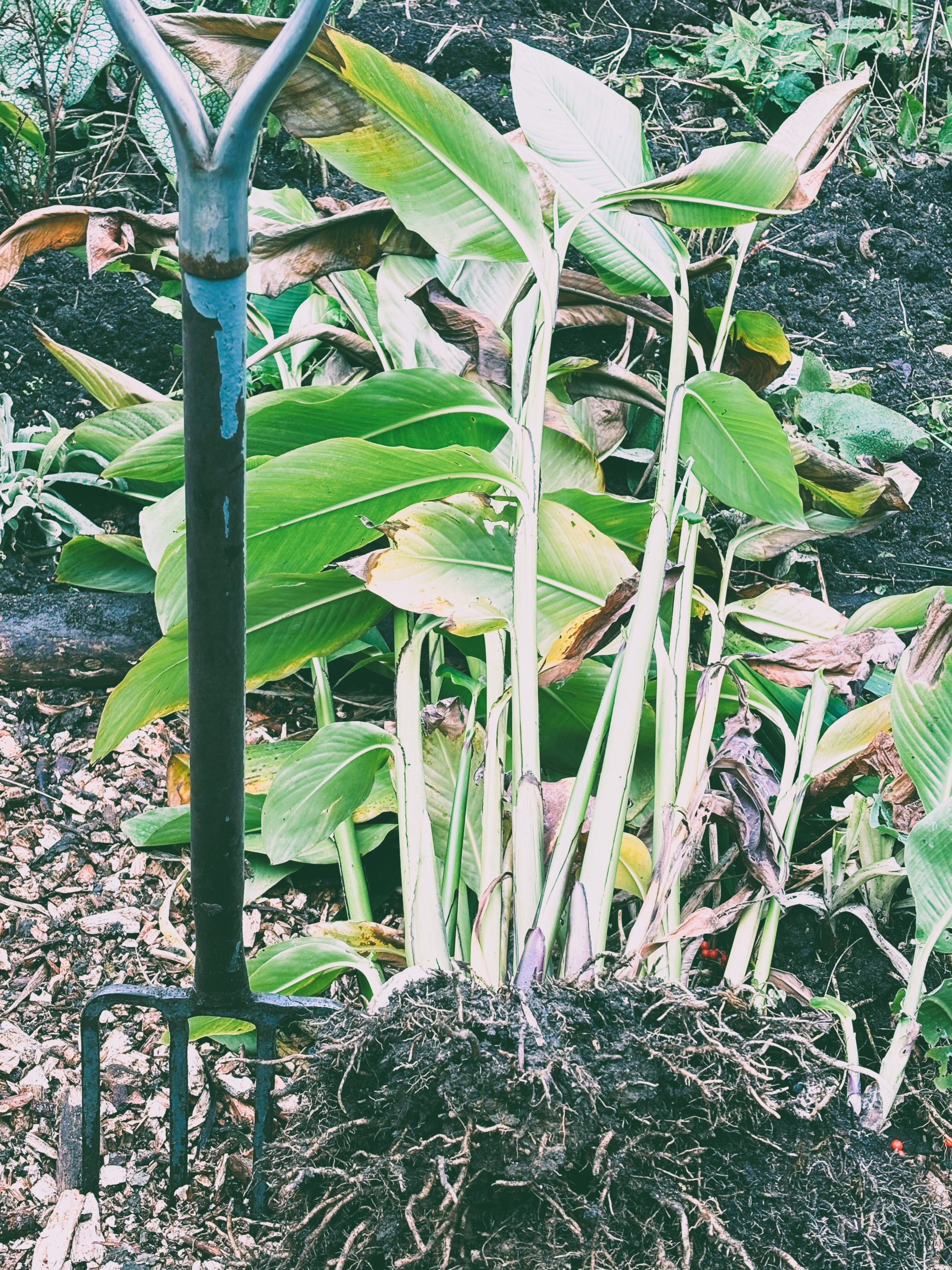
While all cannas benefit from winter protection in the UK, some varieties are notably hardier than others. These differences in hardiness depend on their parent species, with some cannas tolerating light frost and damp soils better than others. Here’s a guide to the hardiest Cannas and their relative hardiness and how to care for each.
Hardy to Less Hardy Cannas: A Ranked List
- Canna tuerckheimii
Hardiness: The hardiest of all cannas, tolerating temperatures down to -8°C (17°F) with excellent mulching.
Description: Known for its tall, striking growth and broad, tropical leaves. Flowers are typically orange.
Care: Can often be left in the ground with good drainage and a thick mulch layer in milder regions. - Canna altensteinii
Hardiness: Hardy to around -5°C (23°F) with protection.
Description: A tall species with red-orange flowers and robust green foliage.
Care: Benefits from a generous mulch if left in the ground, or can be lifted and stored. - Canna musifolia
Hardiness: Moderately hardy, tolerating light frost if mulched.
Description: Resembles a banana plant, with large, dramatic leaves and late-season flowers.
Care: Thrives with good drainage; lift in colder regions for safety. - Canna indica
Hardiness: Hardy to around -3°C (26°F).
Description: One of the parent species of many hybrids, with slender green leaves and red-orange flowers.
Care: Mulch heavily or lift rhizomes in regions with severe winters. - Canna ‘Pretoria’ (aka Bengal Tiger)
Hardiness: Tolerates mild frost (to around -2°C/28°F) but best treated as tender.
Description: Striking variegated foliage with orange flowers.
Care: A popular garden feature; lift rhizomes for storage unless grown in a very sheltered spot. - Canna ‘Wyoming’
Hardiness: Hardy to around -2°C (28°F).
Description: Bronze foliage with bright orange flowers.
Care: Mulch heavily or lift rhizomes in colder areas. - Hybrid Varieties (e.g., Canna ‘Durban’, Canna ‘Tropicanna’)
Hardiness: Least hardy, tolerating only very light frost (0°C/32°F) and prone to rot in damp conditions.
Description: Bred for bold foliage colours and vibrant blooms but less robust against UK winters.
Care: Always lift and store these varieties indoors over winter.
Protecting Less Hardy Cannas
For tender varieties, extra care is essential:
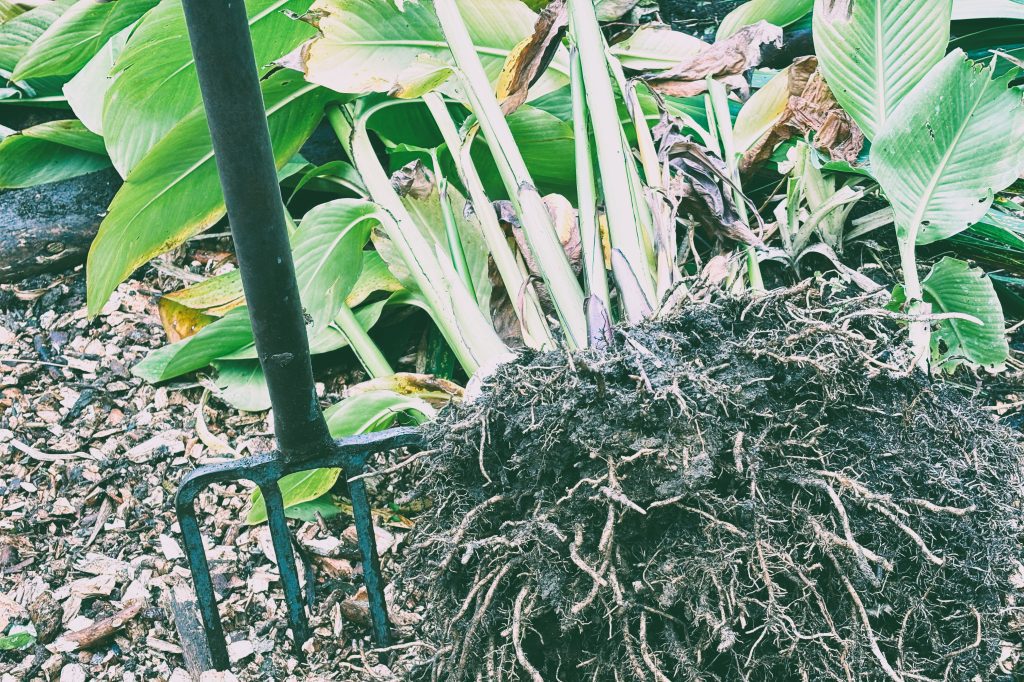
Lift rhizomes after the first frost.
Store in a dry, frost-free place at 5–10°C (41–50°F).
Check periodically for rot or desiccation.
Tips for Hardy Cannas
Even the hardiest cannas (Canna tuerckheimii and Canna altensteinii) benefit from:
Planting in well-drained soil to prevent waterlogging.
Applying 15–20 cm (6–8 inches) of mulch, such as straw, compost, or bark, to insulate rhizomes.
Additional fleece or covering in particularly cold regions.
By choosing the right varieties for your garden’s climate and providing tailored care, you can enjoy cannas as a vibrant, low-maintenance addition to your planting scheme.