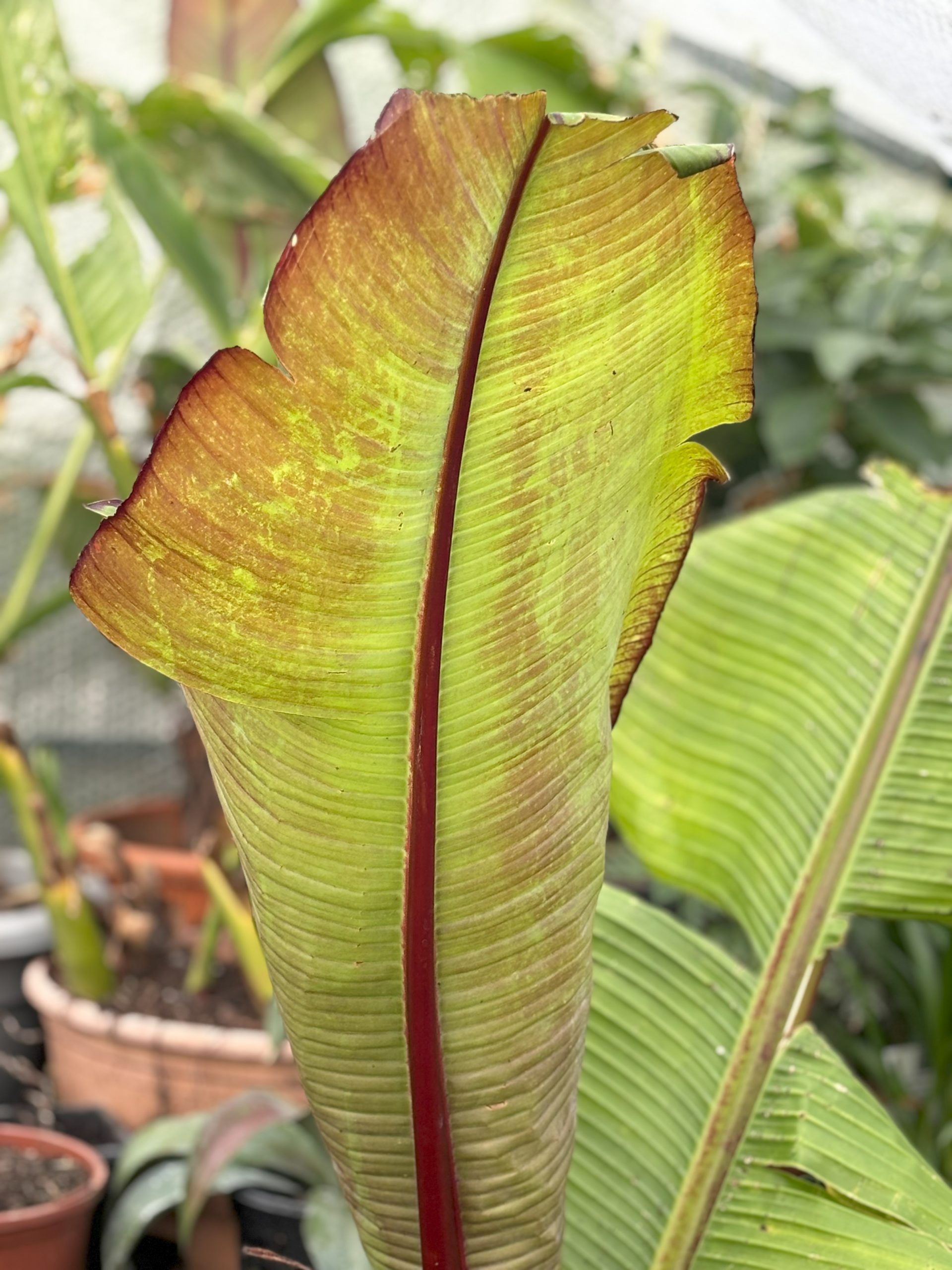
Harden off plants might sound like a perplexing gardening term, but it’s a crucial step for the health and resilience of your green companions. Whether you’re nurturing seedlings indoors or bringing home nursery-grown plants, acclimating them to outdoor conditions before transplanting is essential for their survival. In this guide, we’ll delve into the reasons behind hardening off plants and provide you with effective techniques to ensure a smooth transition.
Why Harden Off Plants?
The transition from a cozy indoor environment to the harsh realities of the outdoors can be a shock for tender plants. Here’s why hardening off is vital:
- Temperature Adjustment: Indoor environments typically maintain stable temperatures, unlike the fluctuating conditions outdoors. Exposing plants gradually to outdoor temperatures prevents shock and stress, allowing them to adapt gradually.
- Sunlight Exposure: Natural sunlight is far more intense than artificial light indoors. Without proper acclimatization, tender leaves can scorch or wilt under direct sunlight. Harden off plants gradually to help them develop the thickened, waxy coating necessary for sun protection.
- Wind Resistance: Indoor-grown plants often lack the strength to withstand outdoor winds. Harden off plants gradually to encourage sturdy stem development, which improves their ability to endure breezy conditions.
- Water Management: Indoor plants are accustomed to frequent watering in controlled environments. Outdoors, they must fend for themselves against rain and varying soil moisture levels. Hardening off allows plants to adjust their water needs accordingly, reducing the risk of root rot or dehydration.
How to Harden Off Plants:
Now that we understand the importance of hardening off, let’s explore a step-by-step process to ensure your plants make a successful transition:
- Gradual Exposure:
Begin the hardening-off process about one to two weeks before transplanting. Choose a sheltered outdoor spot such as a porch, patio, or shaded area. Avoid exposing plants to direct sunlight, strong winds, or extreme temperatures during the initial stages. - Start Slow:
During the first few days, introduce plants to the outdoor environment for only a couple of hours each day. Gradually increase the exposure time by an hour or two every day, allowing plants to acclimate to natural light, temperature fluctuations, and gentle breezes. - Monitor Conditions:
Keep a close eye on weather forecasts during the hardening-off period. If extreme weather conditions are predicted, such as frost or intense heat, bring your plants indoors or provide temporary protection until conditions improve. - Water Wisely:
Adjust your watering routine as you transition plants outdoors. Monitor soil moisture levels closely and water plants only when necessary. Avoid overwatering, as this can weaken plants and impede their ability to adapt to outdoor conditions. - Increase Exposure:
As plants grow accustomed to outdoor conditions, gradually expose them to longer periods of sunlight and gentle wind. By the end of the hardening-off period, plants should be able to tolerate a full day outdoors without adverse effects. - Final Transplant:
Once plants have successfully completed the hardening-off process, they are ready for transplanting into their permanent outdoor location. Choose a site that matches their sunlight and soil requirements, and gently transplant them, ensuring adequate watering and care.
Conclusion:
Harden off plants is a critical step in the gardening journey that ensures the health, resilience, and long-term success of your green companions. By gradually acclimating plants to outdoor conditions, you provide them with the best possible chance to thrive in their new environment. So, take the time to nurture your plants through the hardening-off process, and you’ll be rewarded with robust, vibrant specimens that flourish in your garden for seasons to come.